
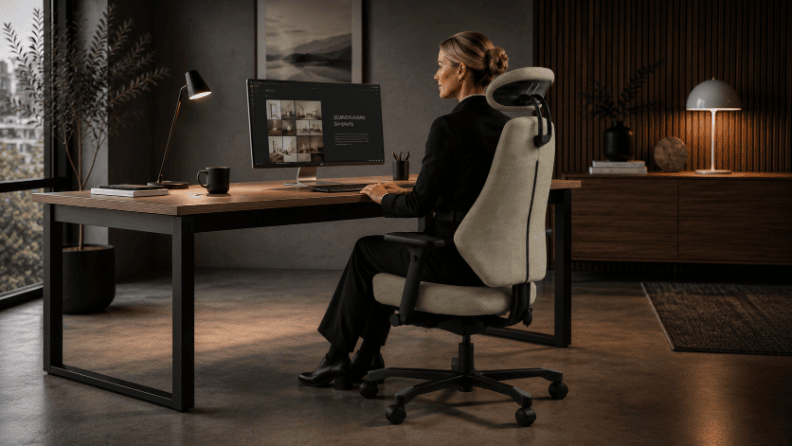
Modern work isn’t static — and seating shouldn’t be either. As awareness grows around the health impacts of prolonged sitting, movement-driven ergonomic seating is becoming essential in creating healthier, more productive workplaces. The best ergonomic chairs don’t simply support posture; they encourage natural movement throughout the day, helping the body stay active even while seated.
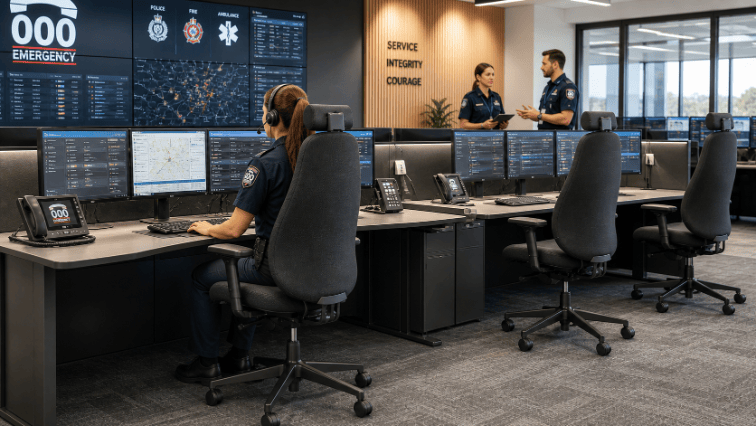
Movement is critical for circulation, spinal health, muscle engagement and long-term comfort. Small, regular changes in posture reduce stiffness and help minimise the strain caused by remaining in fixed positions for extended periods. This is where dynamic ergonomic seating plays an important role.
Advanced synchro mechanisms — such as those featured in the Dal Vieto Spine and Dal Serati ranges — are designed to move with the user instinctively. Rather than forcing the body into a rigid sitting position, these mechanisms allow the chair to respond naturally to shifts in posture, recline and micro-movements while continuing to provide consistent ergonomic support. The result is movement without conscious effort: the chair supports the body while encouraging it to keep moving.
This type of movement-led seating helps users remain more comfortable and engaged throughout the working day. In shared workplaces, education settings and high-use commercial environments, dynamic seating also accommodates a wider range of sitting styles and body types, making it a more adaptable long-term solution.
For dealers, designers and procurement teams, movement seating represents more than an ergonomic upgrade — it delivers measurable workplace value through improved comfort, greater user adoption and longer-term wellbeing outcomes. Chairs that encourage movement are increasingly becoming an important part of modern workplace design strategies focused on health, flexibility and productivity.
Why movement matters in ergonomic seating
Traditional seating often focuses purely on posture correction. While support remains important, the human body is designed to move constantly. Dynamic ergonomic seating recognises this by supporting active sitting — subtle, continuous movement that keeps the body engaged throughout the day.
Synchro mechanisms are particularly effective because they coordinate the movement of the backrest and seat in a balanced, natural ratio. This allows users to recline, shift and adjust posture freely without losing support. Chairs such as the Dal Vieto Spine and Dal Serati promote this intuitive movement, helping users stay comfortable without needing to consciously adjust their seating position.
Rather than sitting still for hours at a time, users remain gently active while seated — an important distinction in modern ergonomic design.
The business case for movement seating
For workplaces, movement-focused seating can contribute to improved comfort, reduced fatigue and higher user satisfaction. For dealers and procurement teams, it also provides a strong specification story: ergonomic compliance combined with modern workplace wellbeing principles.
As organisations increasingly prioritise employee wellbeing and flexible working environments, seating that supports natural movement is becoming a key differentiator in workplace design.